
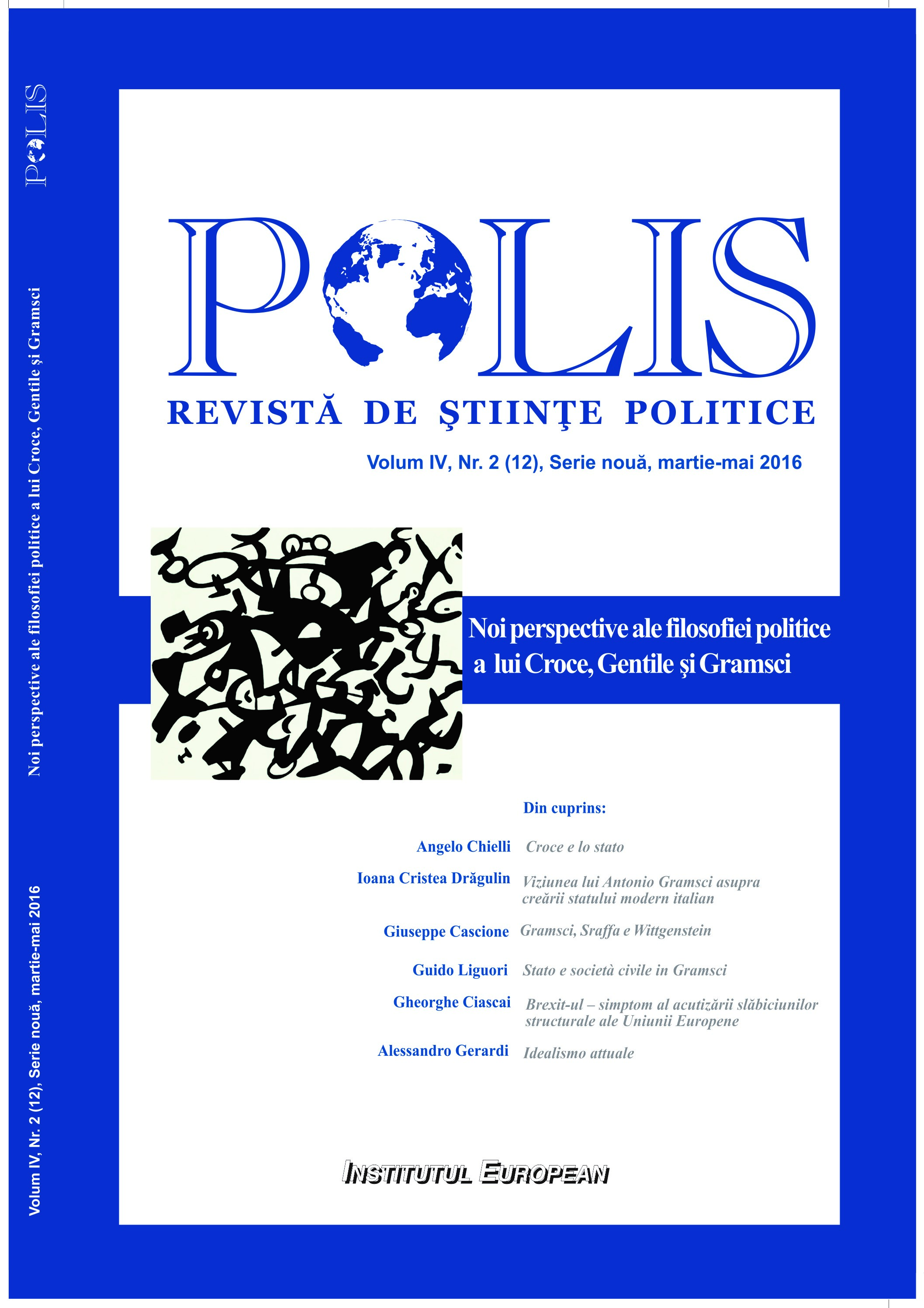
Între partid și stat: rolul sindicatelor, a „organelor cu dublă natură” și a Frontului Democrației și Unității Socialiste în economia politică a național-comunismului românesc (1965-1989)
Between party and state: the role of trade unions, of ‘organs with double nature’ and of the Front of Democracy and Socialist Unity within the political economy of Romanian national-communism (1965-1989)
Author(s): Emanuel COPILAȘSubject(s): Politics and society, History of Communism, Sociology of Politics
Published by: Editura Institutul European
Keywords: party; state; citizens; communists; bureaucracy.
Summary/Abstract: The present article analyzes the dual nature of what Kenneth Jowitt called „Leninist regimes”. Divided between an ideological dimension (the party) and a material, administrative dimension (the state), Leninist regimes faced an implacable dilemma: how to survive without loosing the party spirit in favor of the bureaucratic, state spirit that they reproduced through their sheer mode of production? Romanian national-communism faced the same dillema and it tried to overcome it with the help of unions and of other intermediary organisms placed between party and state. How and why it failed are the main questions adressed here.
Journal: Polis. Journal of Political Science
- Issue Year: IV/2016
- Issue No: 12
- Page Range: 169-183
- Page Count: 15
- Language: Romanian
